
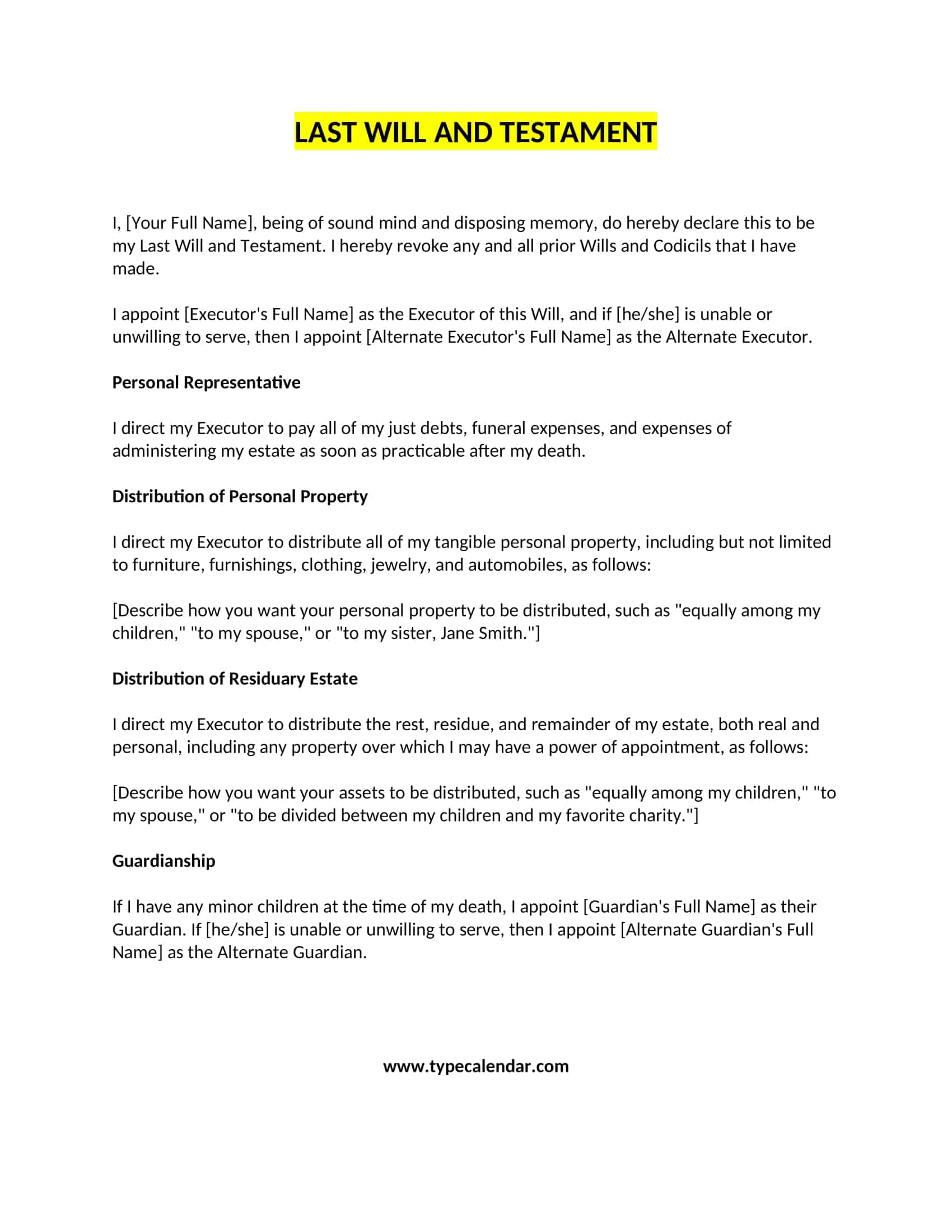
Figure out why last wills are essential in Connecticut, details about how court of probate will certainly affect your household, and much more.
Developing a last will and testament is vital in intending the distribution of your estate (properties, including actual and personal effects) after your fatality. Connecticut wills give the testator, the person creating the will, the opportunity to guarantee that a spouse, youngsters, other liked ones, and even pet dogs are dealt with after his death. You might likewise pick to leave residential property or make other presents to philanthropic organizations through your Connecticut will.
As opposed to a last will and testimony, a living will dictates directions to be followed must you end up being incapacitated and unable of choosing concerning your health and wellness and treatment. A living will would certainly work during a person’s life if essential, while a last will and testimony does not work up until after the testator’s fatality. Connecticut explicitly enables living wills.
Do you require a last will and testimony?
Although a last will and testament is not legally needed, without a will, state legislations (called regulations of intestacy) will certainly establish the distribution of the dead’s possessions. The outcome might not coincide with the decedent’s (the individual that died) wishes, however, which implies it is generally a good idea to create a last will and testimony.More Here idaho last will overview At our site
Among the best advantages of having a last will and testament is that it enables the testator to pick the personal representative of the estate, the individual that will certainly be in charge of carrying out the wishes included in the will; in the lack of a will, the courts would decide for you.
A testator can utilize a will certainly for numerous functions, but the most crucial is to share just how assets such as real estate, automobiles, service holdings, and family heirlooms must be separated upon the testator’s death. A Connecticut last will and testament can also allow you to call a person as the legal guardian of your children.
In addition, in addition to testamentary counts on (trust funds that give an advantage for individuals), Connecticut regulation especially allows for the production of a depend on for the care of animals alive throughout the settlor’s lifetime(“animal depend on”-RRB-. Such a trust fund ends upon the death of the last making it through animal and must mark a “count on guard” to act on part of the protected animals. A Connecticut will certainly gives you the option of caring for your animals after your death in this way.
Before the terms of a will can be approved, the will certainly should be shown in probate court. Probate is the court-supervised process of dispersing the estate of a deceased person. Once the will is shown valid in probate court, the executor can then pay off any debts and taxes owed by the estate and afterwards disperse the testator’s building according to the will. The administrator of a Connecticut estate need to request admission of a will to probate and can proceed with ending up the estate, consisting of settling debts and taxes and distributing residential or commercial property, afterwards.
Tiny estates in Connecticut, those with a value of $40,000 or much less, may be eligible to pass directly to beneficiaries and bypass the probate process, however they need to fulfill the stringent needs of Connecticut probate regulation.
Intestacy: Dying without a will certainly
A person that dies without a will is called “intestate,” which invokes the legislations of intestacy. In Connecticut, in the absence of a will, a surviving partner acquires everything from an estate just if there are no children or descendants of the decedent which spouse or the surviving moms and dads. If there are such descendants, the spouse acquires the first $100,000 of the estate and 1/2 of the equilibrium, while the descendants inherit the remainder. If the decedent leaves both a spouse and parents yet no youngsters, the partner acquires the initial $100,000 and 3/4 of the equilibrium while the parents acquire the remainder.
If there is no surviving partner, kids, or moms and dads, Connecticut legislations of intestacy grant the dead’s estate to siblings, then grandparents, and so forth; the closer the relative, the higher the top priority to inherit.
As you can see, if you want to have control over the distribution of your possessions and stay clear of the application of intestacy legislations, it is vital that you have a valid Connecticut will.
Exemptions to the capability to disperse building
Not all home you have can be dispersed through a Connecticut will. For example, building that is had in joint tenancy with the right of survivorship can not be created by will. The recipient of a life insurance policy may additionally not be changed through a will.
Note that even if a partner is omitted from a will in Connecticut, a surviving partner is qualified to a 1/3 optional share of the decedent’s
estate. Type a last will in Connecticut
The standard demands for a Connecticut last will and testimony include the following:
- Age: The testator needs to go to the very least 18 years old.
- Ability: The testator must be of sound mind.
- Signature: The will certainly must be authorized by the testator.
- Witnesses: A minimum of 2 witnesses must authorize a Connecticut last will and testimony in the presence of the testator in order for it to be valid. The witnesses should authorize after witnessing the testator authorize the will.
- Writing: A will certainly have to be in contacting stand.
- Beneficiaries: A Connecticut will certainly may take care of property to any beneficiary. If a beneficiary that is not also a successor to the testator has served as a witness to the will, the legacy to that person will be void.
Other kinds of identified wills
Connecticut does not identify holographic (transcribed) or nuncupative (dental) wills created within the state, however such wills developed in one more state according to its regulations may be admitted to probate in Connecticut.
Altering a Connecticut last will and testament
A Connecticut last will and testament might be altered at any time before the testator’s death through a brand-new will or a codicil, which is an addition or amendment that must be carried out with the exact same formalities as a will in order for it to be legitimate.
Withdrawing a Connecticut last will and testimony
A Connecticut will may be withdrawed any time by the testator by a later will or codicil or by “burning, cancelling, tearing or obliterating it by the testator or by somebody in the testator’s visibility by thetestator”
direction.” Note that in Colorado, if a testator gets separated after executing a will, any type of stipulations for the ex-spouse are revoked by procedure of regulation.

